
George Mark Children’s House
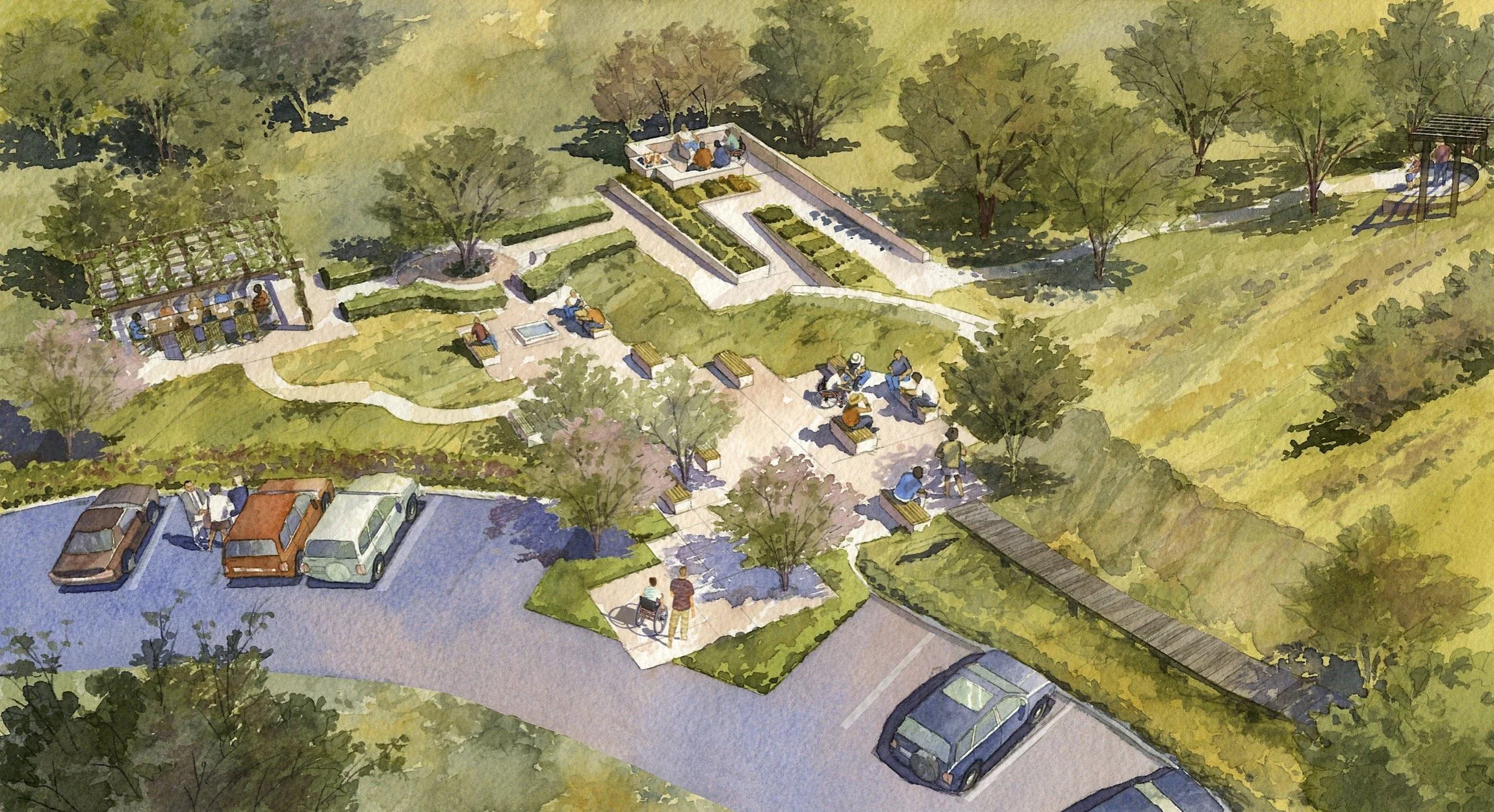
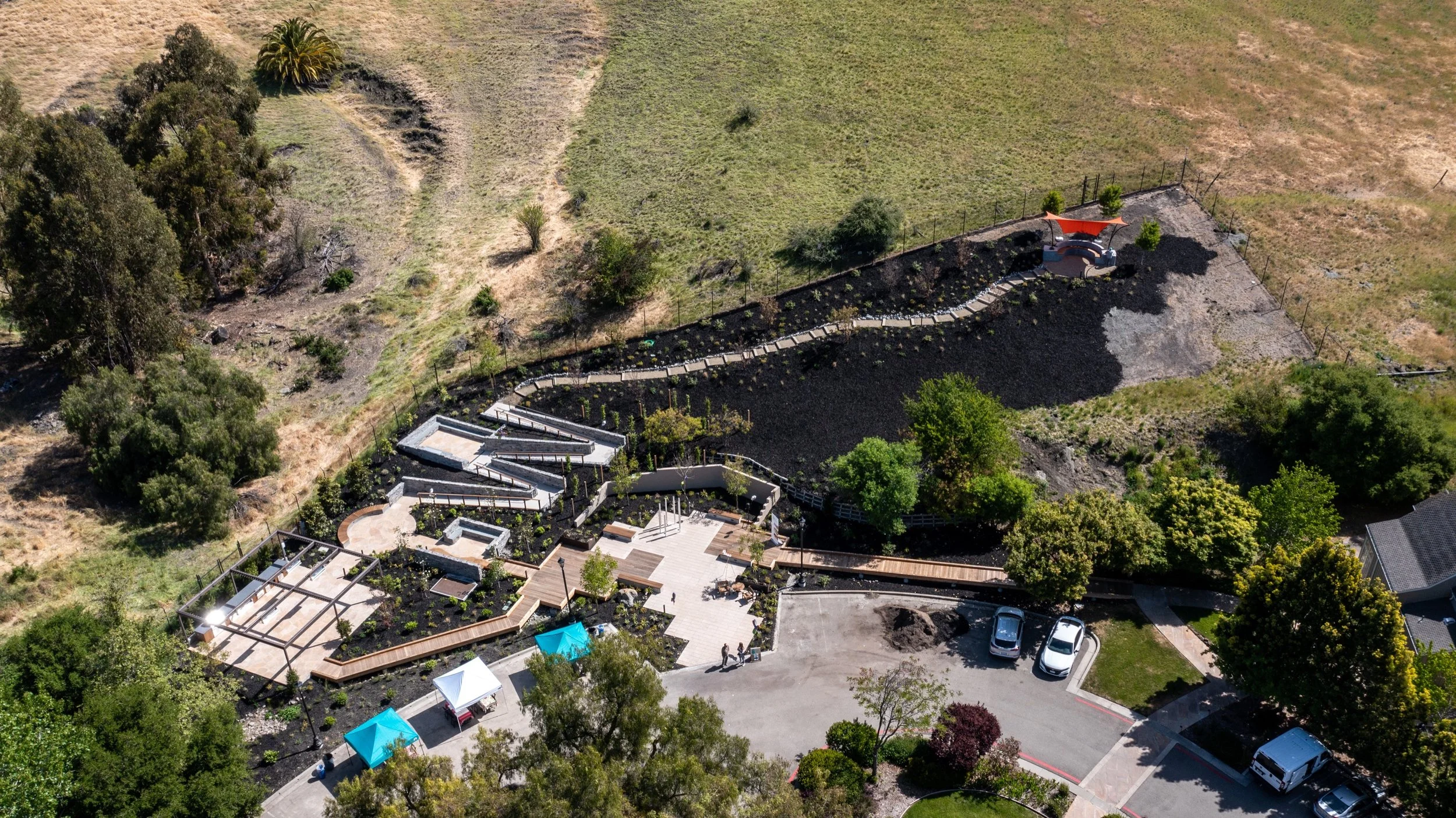
George Mark Children’s House has been the trailblazer and leader in pediatric palliative care since they opened as the first freestanding pediatric palliative care center in the United Staes in 2004. We are proud to support their mission with our design of their new restorative garden, Hummingbird Hill. This space will allow the children, families and devoted staff and volunteers to have a break from the crushing experience of supporting a child with a terminal illness.
Over $750,000 has been donated in materials and service to make this dream a reality. We are humbled by the generosity of so very many of our strategic partners. Learn more about GMCH and the innovated work they do on site and leading the design of these facilities in the nation from an article published in the New York Times.
Kathy Hull Founded George Mark Children's hospital a first of it's kind. She is currently the staff Psychologist and President of the Board of GMCH, as well as being an adjunct staff member at UCSF Benioff Children’s Hospital Oakland. Kathy has a ted talk dedicated to the work she has done for GMCH.
Project Team
Lorem Ipsum
More about the project
Hummingbird Hill, the resulting restorative garden within the 5-acre property, offers the solace of nature to patients, families, caregivers and staff, while creating new spaces to be alone for a moment or to connect with others.
The center was founded in 2004 on a five-acre hillside property in the Bay Area as an alternative to the clinical nature of institutional settings. Medical equipment is tucked behind panels, the bedrooms have fun themes and it feels like a home as much as possible. For the George Mark Children’s House, the patient isn’t just the child; it’s the whole family. Relieved from the stress of medical costs (which are fully covered by the center) and difficult decisions, families at the House can celebrate life and their remaining time together. There are rooms large enough for whole families and plenty of gathering spaces to build community, engage in play and make joyful memories.
It was important to reflect this ethos by designing at a residential scale and providing spaces for gathering, as well as create opportunities for family members and caregivers to have a private moment.
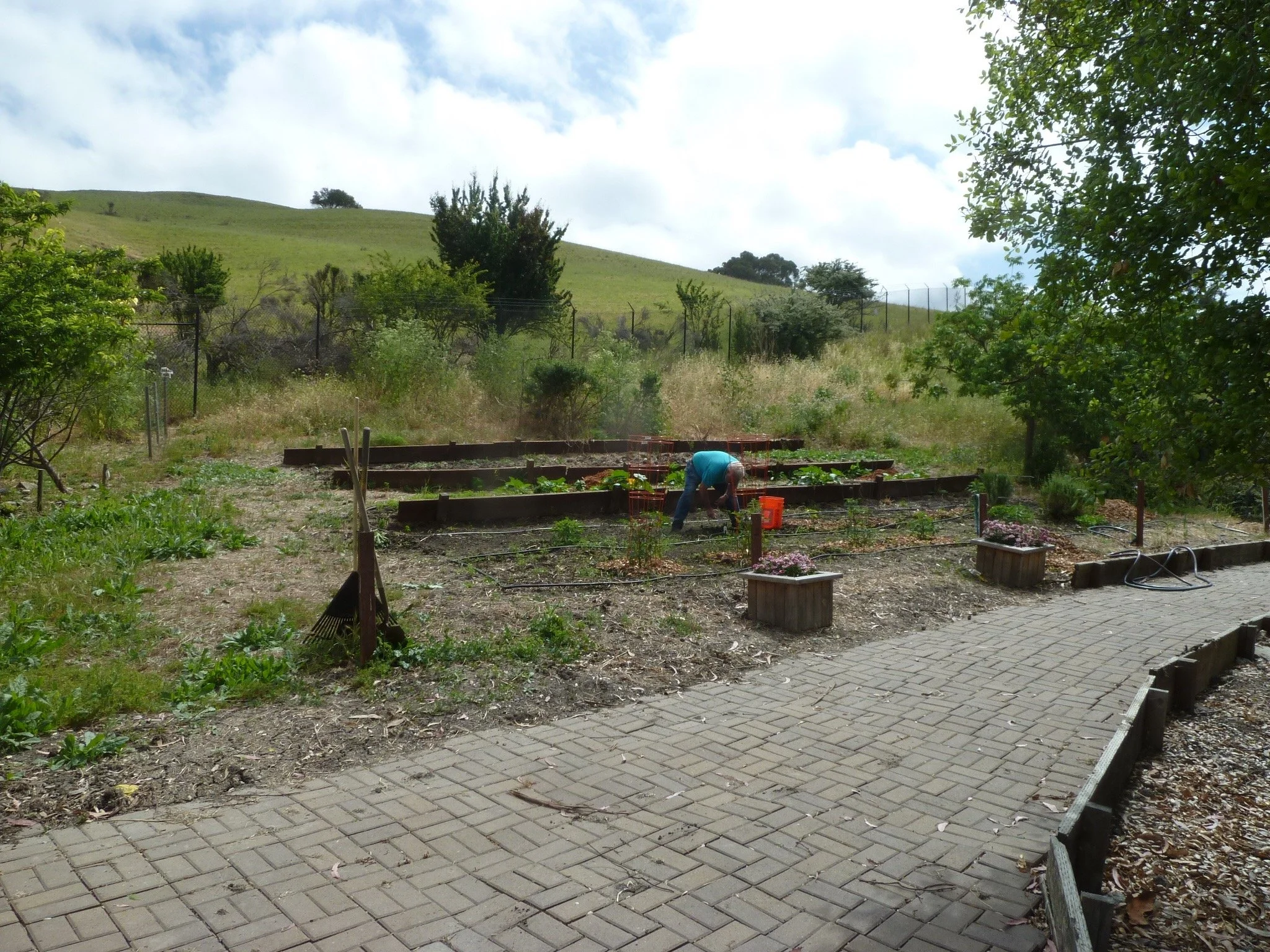
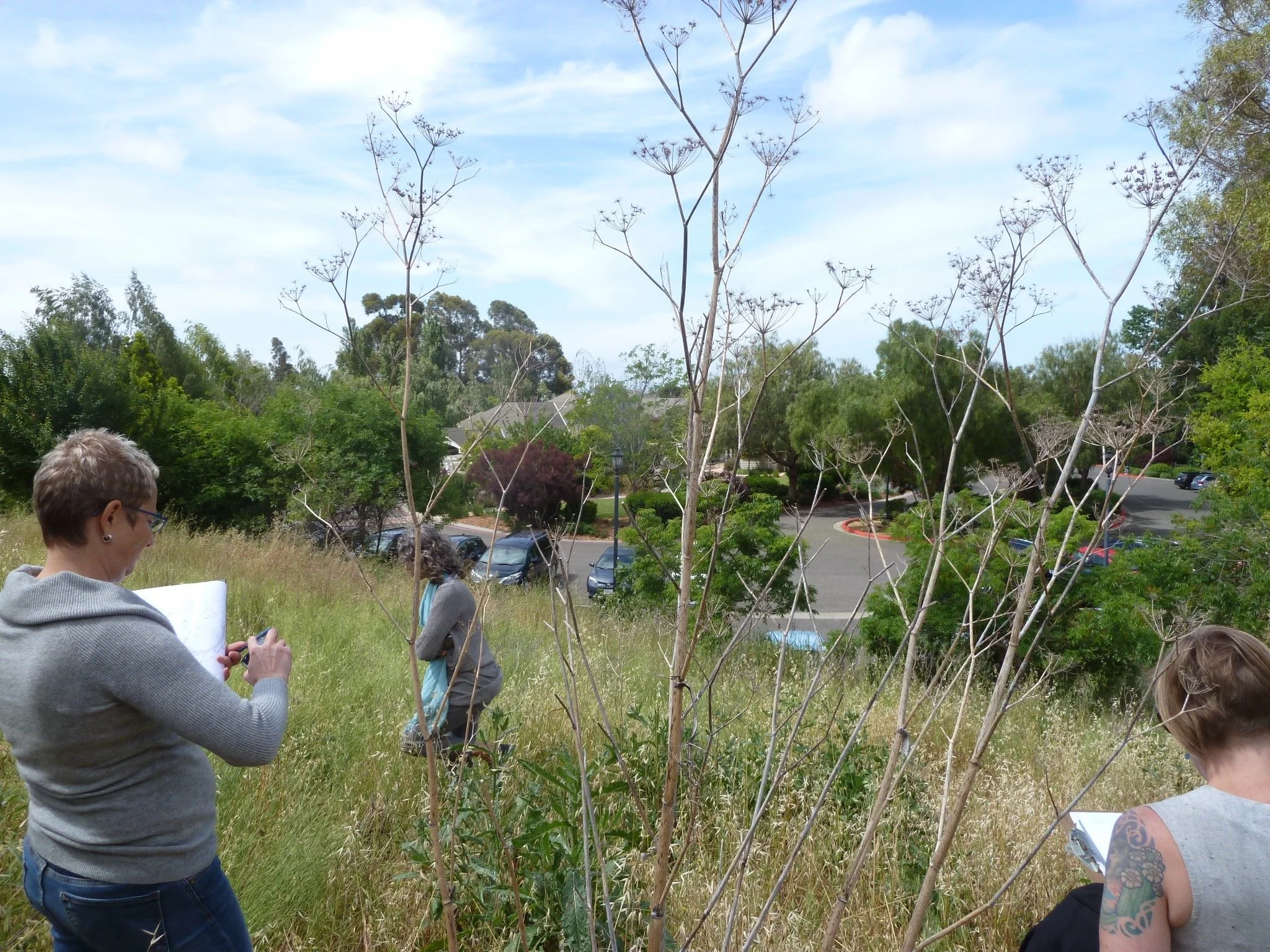
At the start of the project, the property had mature landscaping around the house as well as a network of wheelchair-accessible strolling paths, but the hillside was left fallow and underutilized. At the base of a hill, an existing chapel lay a short distance away, with its primary access through the parking lot.
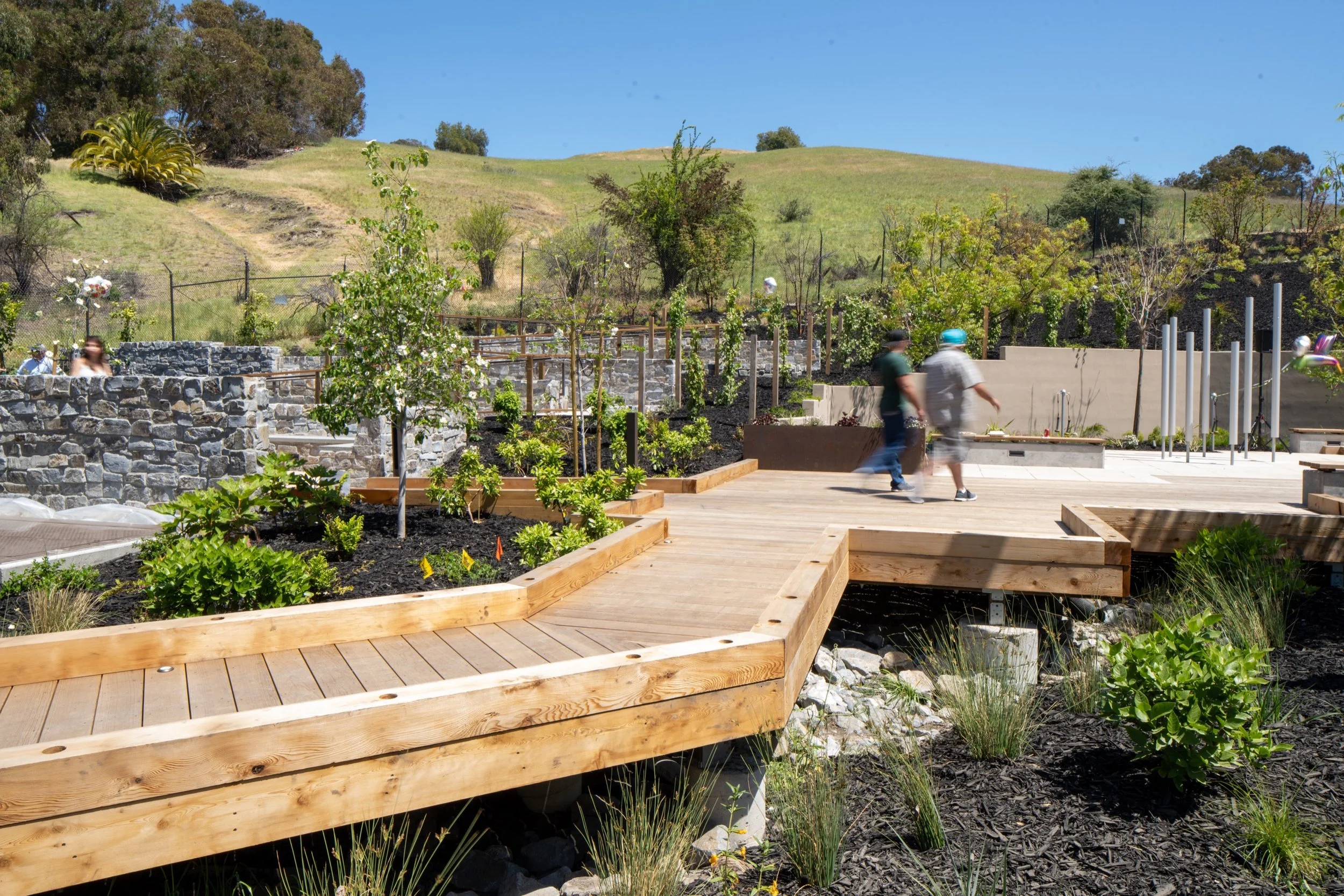
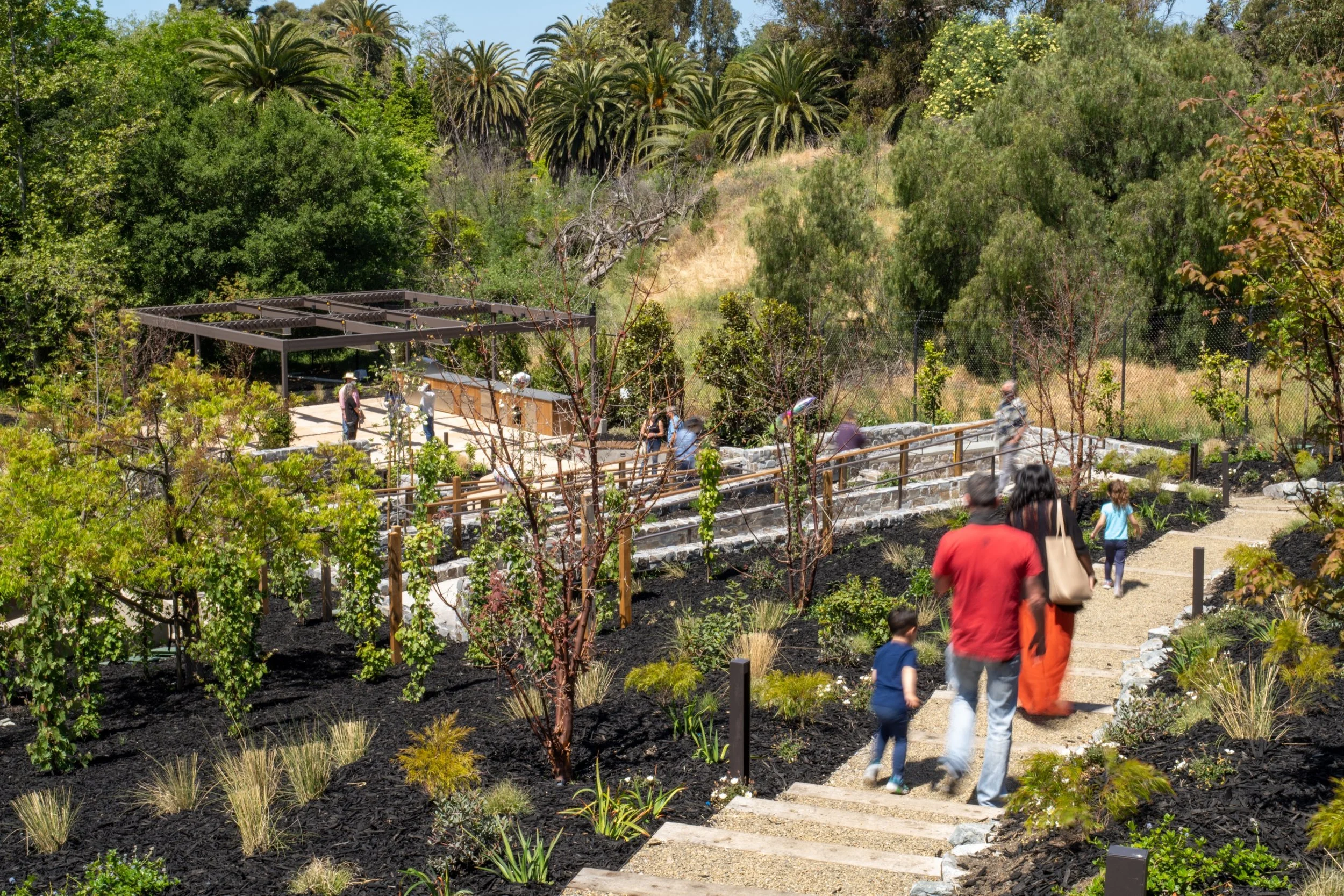
To inform the design, the LAs worked with the staff and families to learn how their lives could be improved and supported by this new outdoor space. Their candid and generous sharing made it clear that this project was more than a garden; it was a necessary contribution to healing. As a result, the project provided the missing link between the main building, the chapel, and a new memorial fountain and contemplative garden. A continuous pedestrian connection was created; rehabilitating an existing drainageway into a riparian habitat accessed by boardwalks, integrating edible plants for the onsite kitchen, and establishing a berry vineyard that culminates at a meditative overlook.
The design plan focused on three groups of stakeholders with varied needs: patients, family members, and caregivers. Each group is also quite diverse. Patients are at different levels of need; families are made of both adults and other children, and the caregivers include medical and administrative staff, members of the care teams, and volunteers. Support for each group was considered throughout the landscape.
Sensory experiences are an integral part of the care plan for patients and special consideration was given to weaving opportunities to provide this throughout every other element.
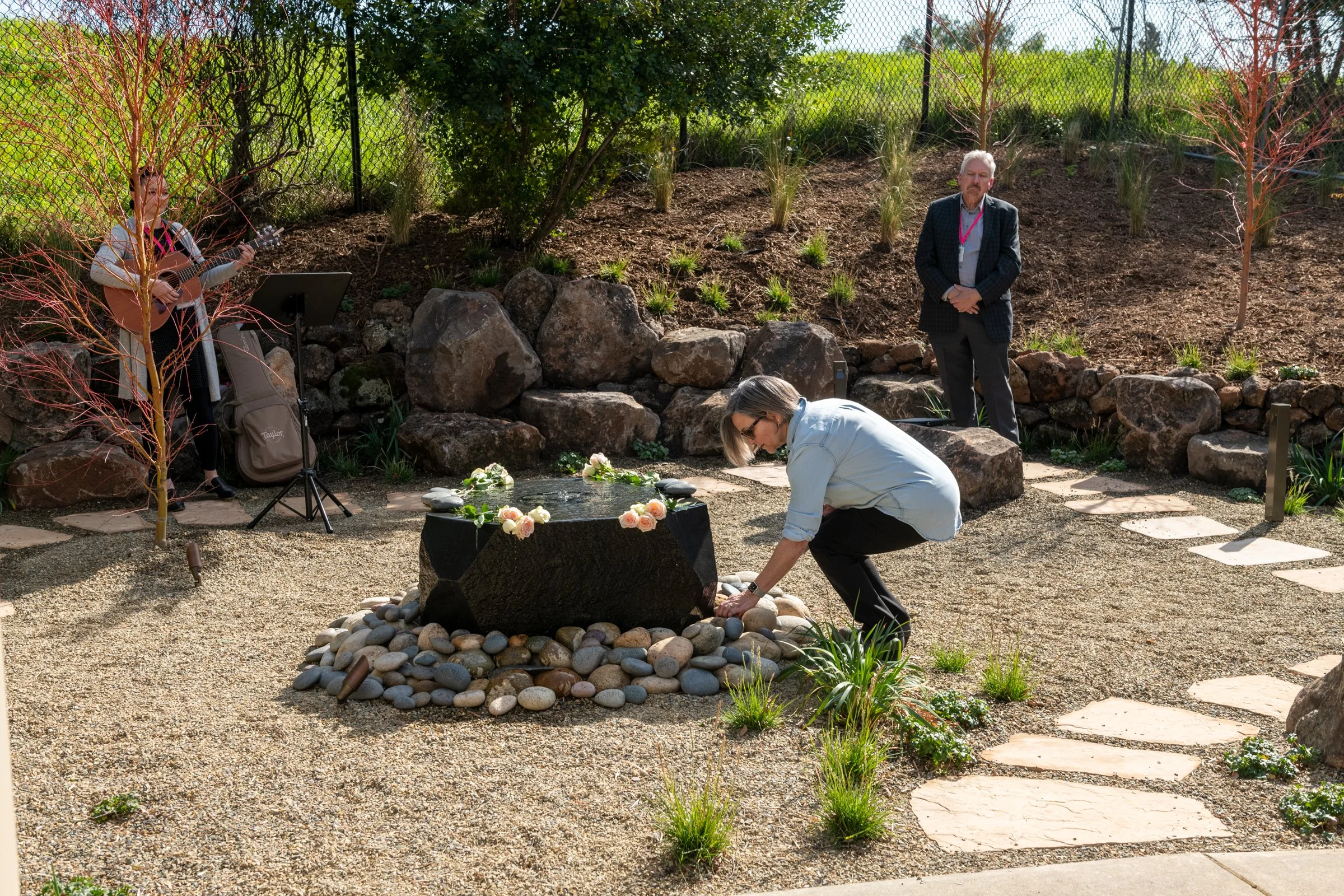
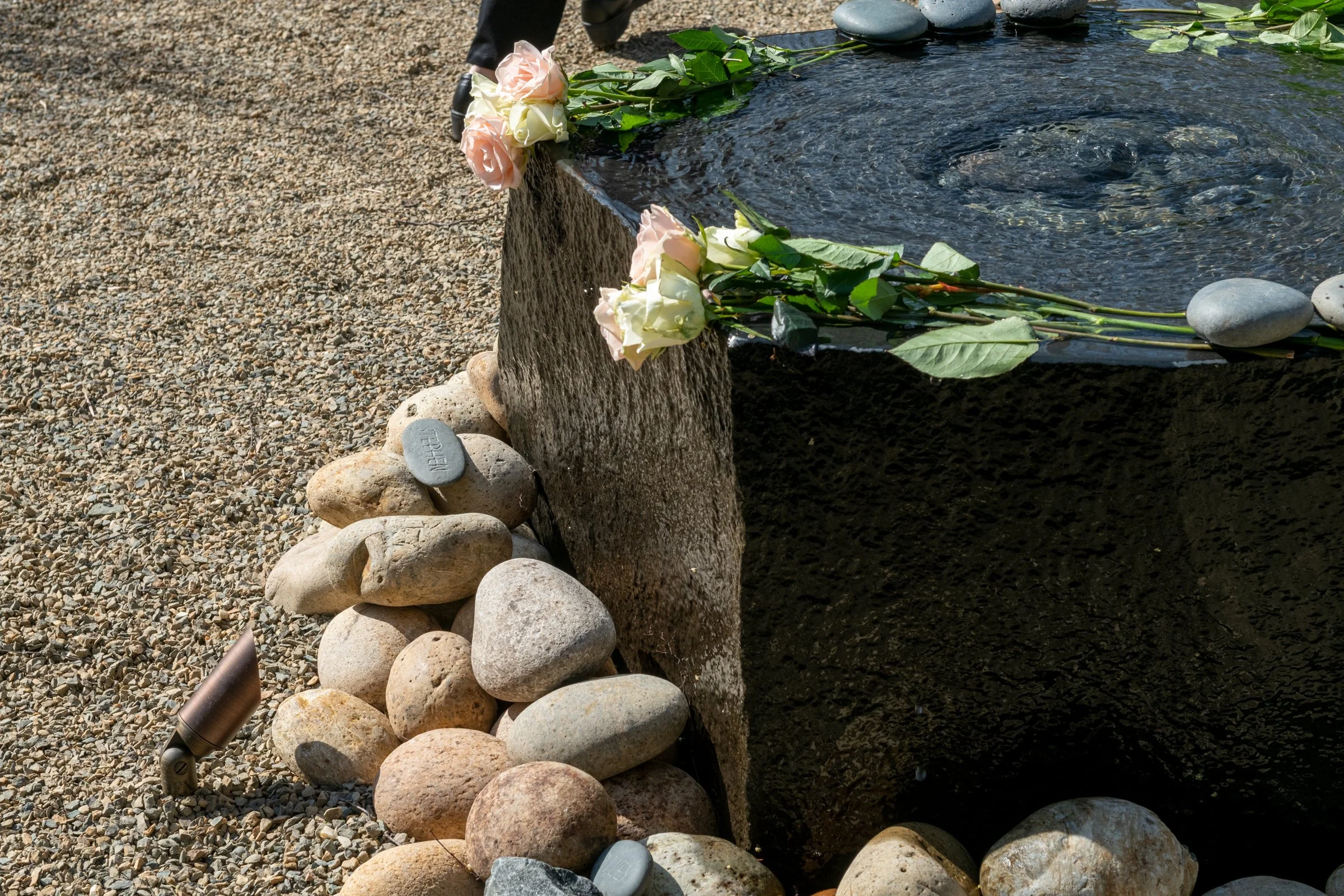
A small memorial fountain had great significance at the GMCH, but its setting did not reflect that. A glazed pot surrounded with stones engraved with the names of children and the date of their passing was tucked off to the side with no shade or seating. To better honor its significance and create a more meaningful experience for families revisiting the site, the area was transformed into a serene garden memorial. The reimagined fountain was carved from a block of basalt. The water trickles over into a hidden basin, wetting as it spills the surfaces of the commemorative stones. Japanese maples add sculptural form, seasonal interest and shade, while sensory plantings contribute scent. In order to create space for families and caregivers to sit and reflect, the nearby hillside is held back by a retaining wall of boulders and stones, which in turn provides seating. The effect of the new space is to set the tone for the chapel while also creating a new connection to it. More importantly, it provides an appropriate outdoor space to commemorate the children.
From the chapel, a new connection was created to access the formerly vacant hillside, now transformed into Hummingbird Hill. One challenge that first had to be surmounted was the accommodation of a seasonal waterway. The solution was to create a raised boardwalk, which not only suspends visitors above dynamic moving water at certain times of the year, but creates percussive sound and vibration for those moving across in wheelchairs. What was once an unsightly gravel ditch is now spanned by a cedar boardwalk and edged with riparian plantings, creating a functional, attractive habitat.
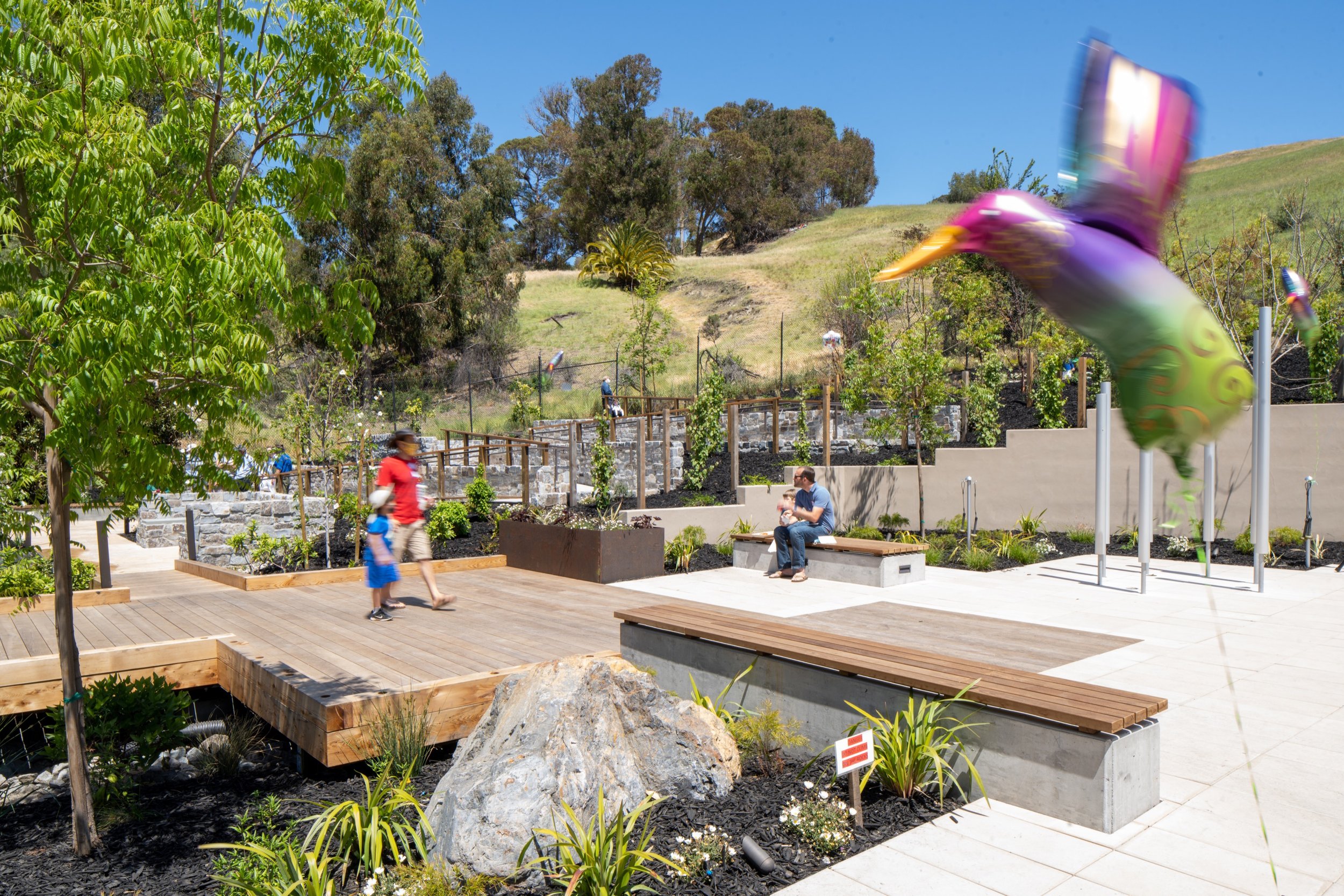
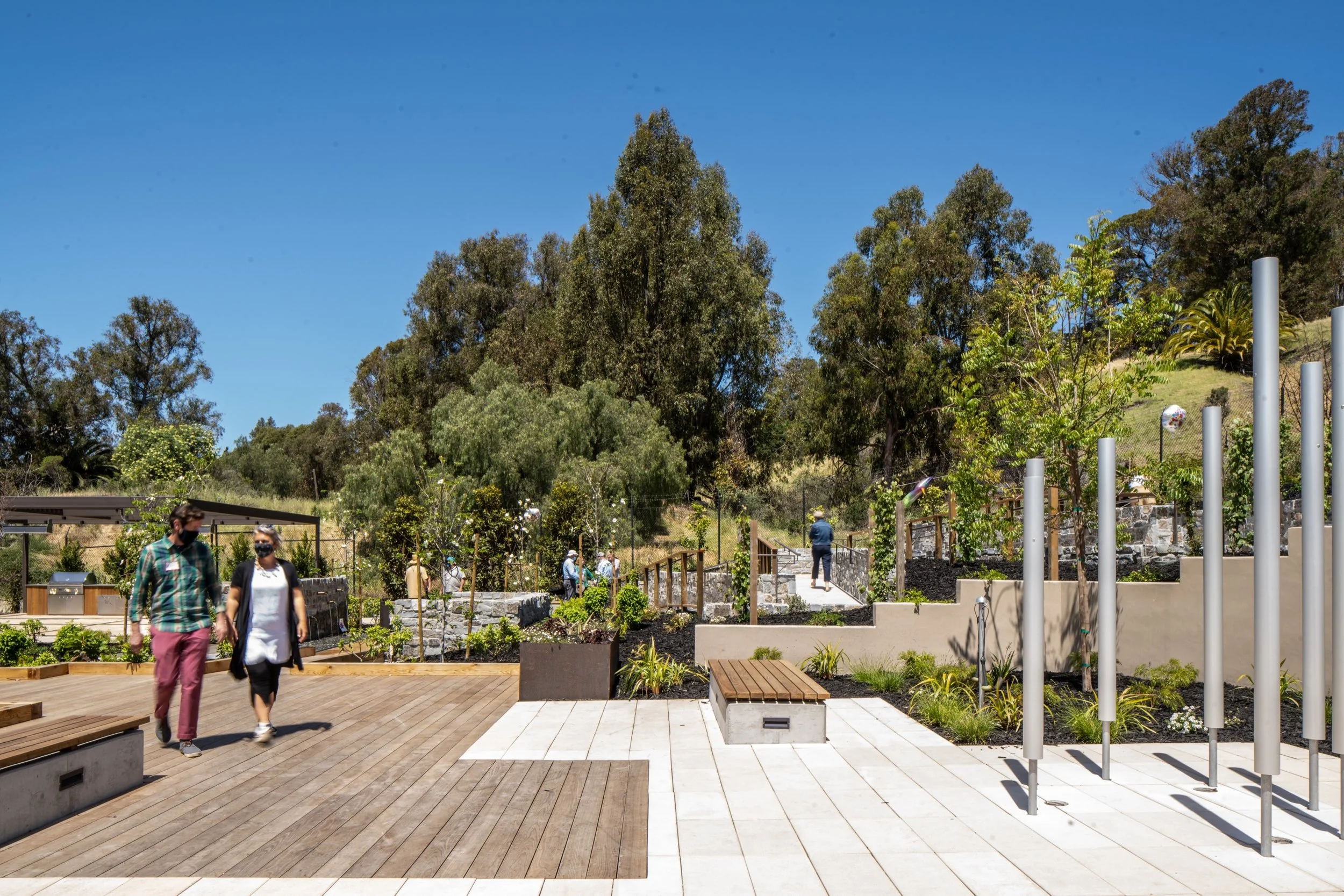
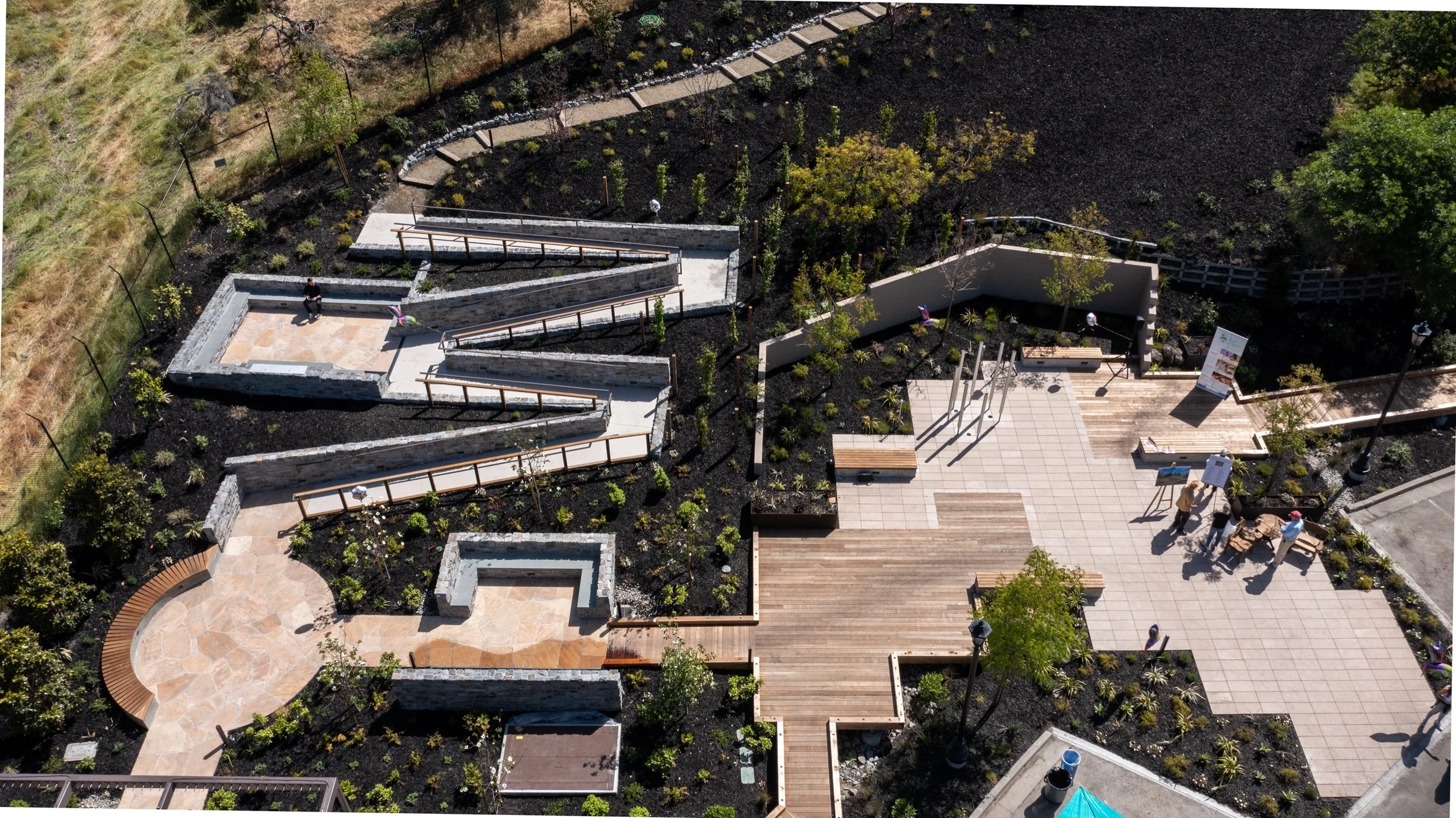
A short roll away lies The Plaza, the garden’s main gathering space, a central area with flat open space. The Plaza offers a variety of seating and an installation of interactive chimes. At once sculpture and musical instrument, the chimes are enjoyed by all, whether kids can actively engage, or watch and listen as their siblings make up songs.
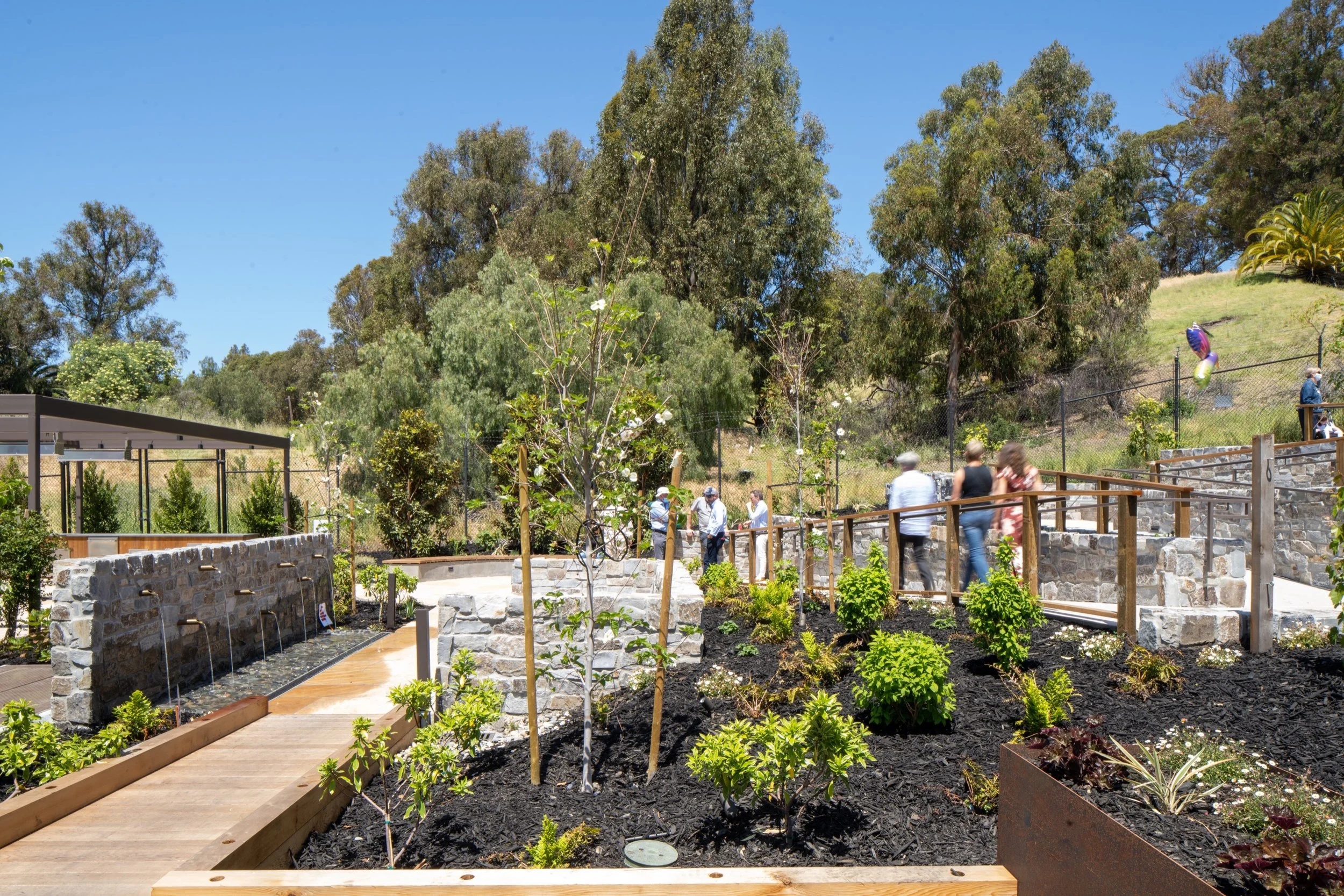
Continuing further into the garden, a wall fountain spills along the edge of the pathway. Young family members take a break to play in the fountain, as a needed emotional release. The patients’ fragile health does not allow them to play in the water, but they can delight in its sound and watch hummingbirds drink from its spouts.
While speaking with the staff and volunteers, the LAs found out that they were hosting a weekly potluck in the parking lot. An outdoor kitchen and dining area shaded by an arbor were added to the south end of the garden to provide a much needed place for staff or families to come together, still onsite, but with a buffer of physical and emotional distance.
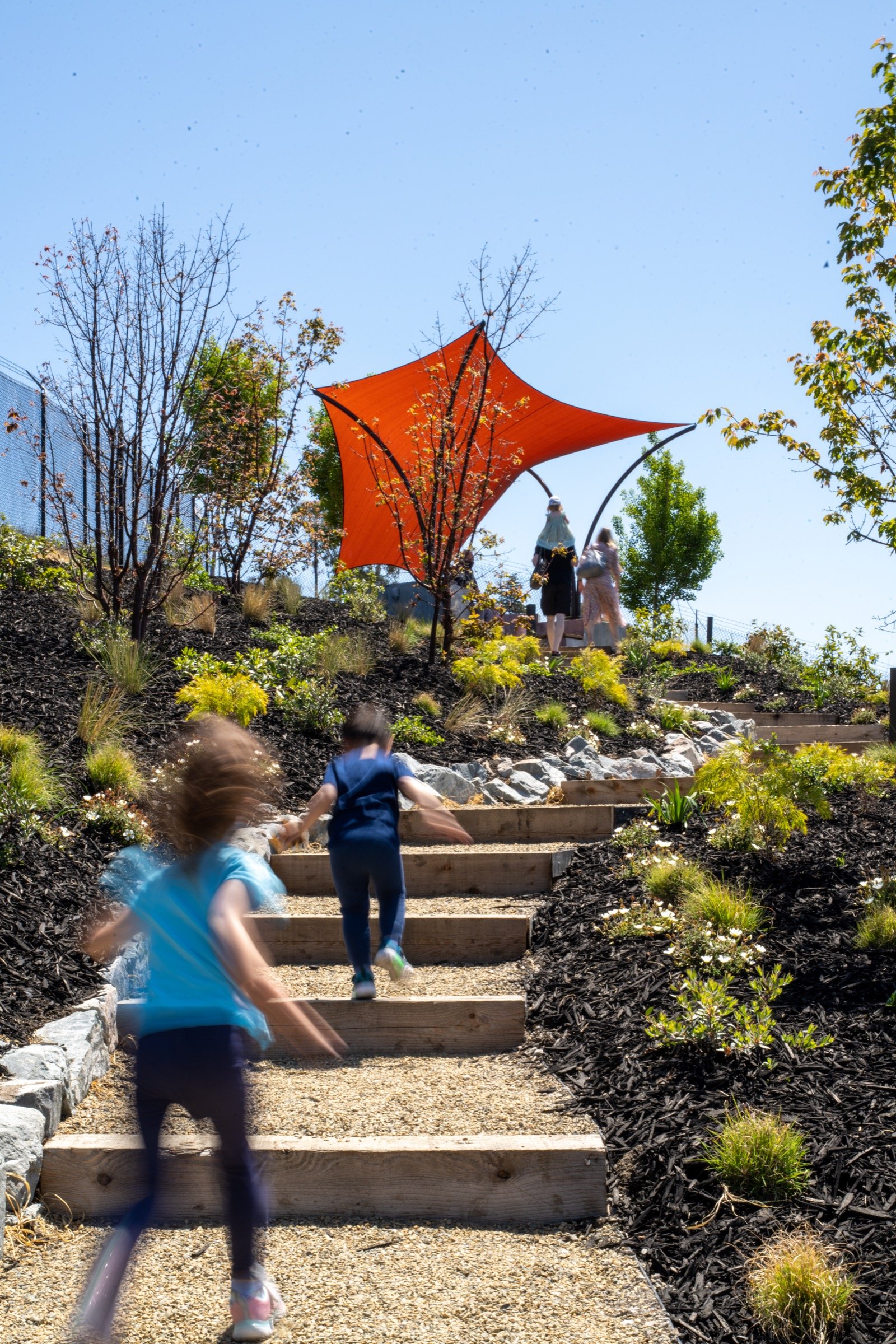
Climbing up the hill, a series of wheelchair-accessible ramps leads visitors along raised vegetable beds and a small vineyard of table grapes and berry vines. Whimsical artworks designed dot the property, while ‘borrowed views’ of an open hillside on a neighboring property enhance the feeling of freedom, spaciousness and oneness with nature. Throughout the project, special consideration was given to providing sensory experience through plants — including smokebush, lamb’s ear, purple smoke trees, daphne and lavender — in beauty, form, foliage color, textural variety, scent and hummingbird habitat.
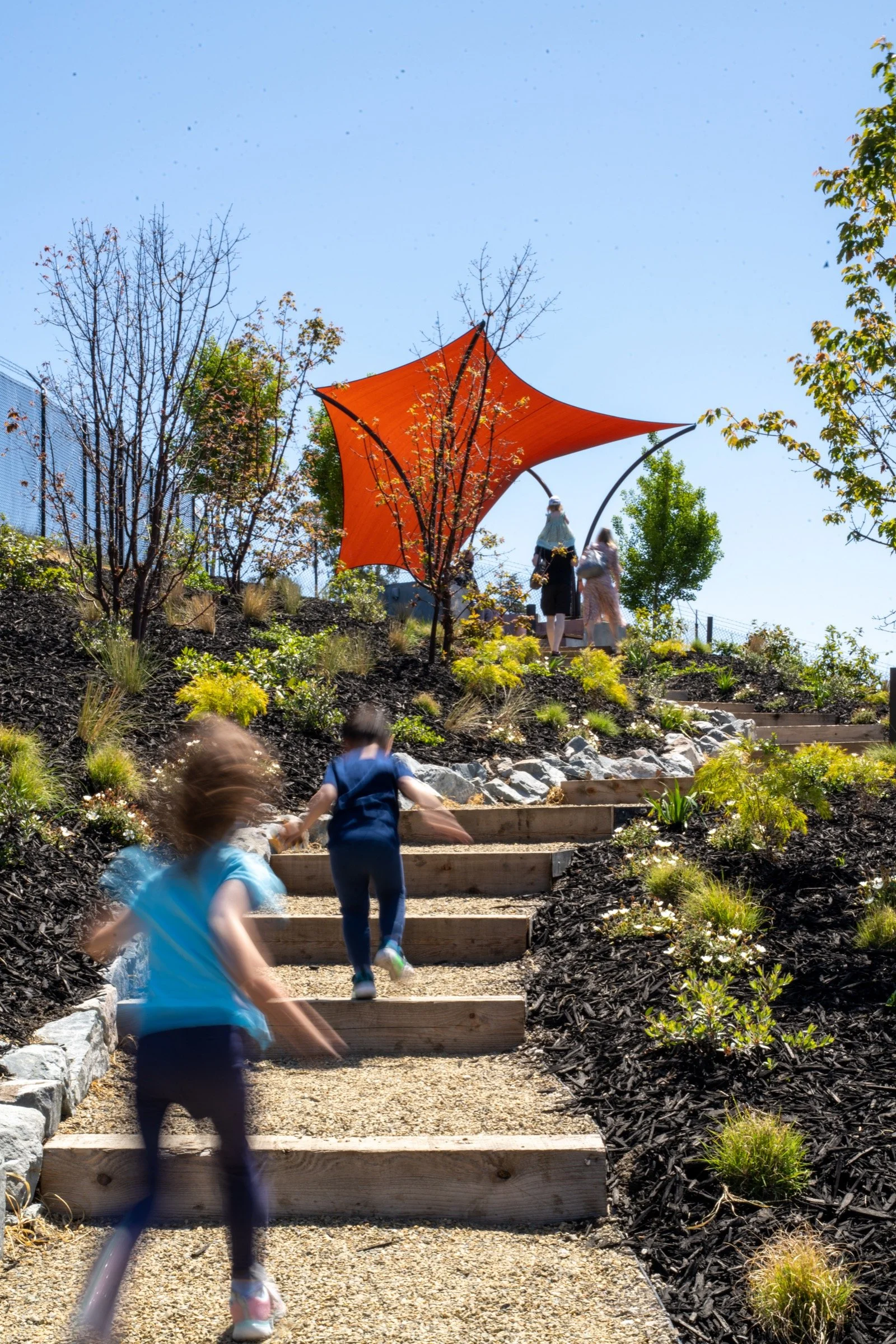
During the site analysis and investigation, the landscape architects discovered that the top of the hill provided views over the whole complex to San Francisco. They created a destination overlook crowned by a shade-providing tensile structure that takes on a birdlike appearance from the garden below. The result is a destination where staff and family can temporarily remove from their immediate concerns and reconnect with the larger world.
Hummingbird Hill exists to support everyone in the GMCH community, whether it’s hosting a resident family celebrating a special milestone or enjoying an al fresco picnic, a returning family remembering a loved one, a community event or staff gathering, or the center’s annual Walk of Remembrance, when staff and families create a mandala from plant pieces picked from the gardens.
After four years of donated design time and construction support, it is now a natural place of healing, respite and wonder; a place where the young residents can safely spend time outdoors and where families can have a sense of normalcy and enjoy quality time together. It is also a place for staff and caregivers to slip away for moments of replenishment and reflection before returning to their demanding and emotionally challenging work.
In some cultures, hummingbirds are a symbol of rebirth. Hummingbird Hill was conceived as a place where memories are made that will last a lifetime, and beyond.